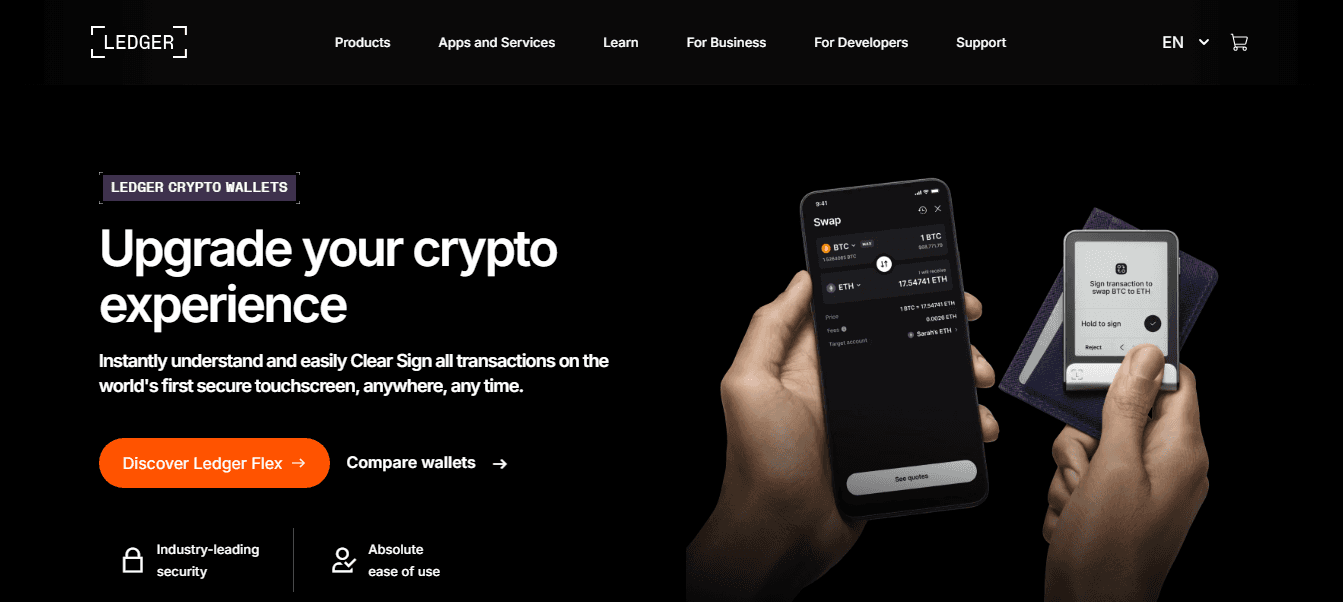
Ledger Login: Secure Access to the World of Hardware-Protected Digital Assets
The growth of digital assets has dramatically changed how people store, manage, and interact with their wealth. With this expansion comes an increased need for strong security—especially at the point of access. “Ledger Login” refers to the secure process of using a Ledger hardware wallet and its companion app to access and manage cryptocurrencies, NFTs, and decentralized applications. Unlike traditional online accounts that rely on passwords, Ledger relies on hardware-based authentication. This makes the login process not only unique but extremely secure compared to most digital financial systems.
This comprehensive guide walks through the concept of Ledger Login, how it works, why it is different from typical logins, and the best practices for safely navigating your digital asset accounts.
1. Understanding the Concept of Ledger Login
Ledger Login is not a simple username and password like conventional accounts. Instead, it is a process of authenticating your identity using a Ledger hardware wallet such as the Ledger Nano S Plus or Ledger Nano X. Your private keys remain inside the hardware device at all times, and Ledger Live—the software interface—communicates with the device to validate transactions and account access.
In other words, you do not “log in” with a password; you log in with a secure physical device.
Ledger uses a PIN code, internal chip security, and cryptographic verification to ensure that only the person holding the hardware device can access the crypto accounts associated with it. This layered approach eliminates the major risks of online phishing, malware attacks, and password theft.
2. The Importance of Hardware-Based Login
One of the biggest vulnerabilities in the digital world is password-based authentication. Passwords can be guessed, stolen, leaked, or tricked out of users. Ledger’s login system bypasses this entirely. Instead of relying on a server to check a password, Ledger login relies on cryptographic signing done locally inside the hardware wallet.
This means:
Your private keys are never exposed online.
Hackers cannot access your account remotely.
Malware cannot steal your password because you don’t have one for Ledger login.
The final transaction approval happens on the physical device, ensuring nothing is signed accidentally.
This level of protection is why hardware wallets like Ledger are often compared to vaults rather than software wallets.
3. How Ledger Login Works Step by Step
To understand the login experience, it helps to break it down into clear steps:
Step 1: Connect Your Ledger Device
To begin the login process, you connect your Ledger hardware wallet to your computer or mobile device. Depending on your model, this could be through a USB cable or Bluetooth.
Step 2: Unlock With Your PIN Code
After connecting the device, you unlock it using your PIN code. This step confirms that you are the authorized owner of the device. The PIN is known only to you and stored securely inside the hardware wallet.
Step 3: Open Ledger Live
Ledger Live is the application that displays your accounts, balances, and transaction features. When you launch Ledger Live, it automatically detects your connected device. This step is part of the login process because Ledger Live will not show or allow access to critical account functions unless the device is recognized and unlocked.
Step 4: Verify the Device
Ledger Live may prompt you to confirm the connection by reviewing information on the device screen. This ensures you are interacting with the authentic Ledger device and not a tampered version.
Step 5: Access Your Portfolio
Once verified, Ledger Live displays your portfolio, transaction history, staking dashboard, and available crypto services. Because Ledger Live is merely an interface, it cannot access or move your crypto without physical authorization on your Ledger device.
This process creates a secure and seamless login method that combines software convenience with hardware-level protection.
4. Why Ledger Login Is Safer Than Traditional Methods
Several factors make Ledger Login more secure than typical crypto logins:
Private Keys Stay Offline
Your private keys never touch the internet. Even during login and transactions, the device signs operations internally and only broadcasts the signature.
Physical Confirmation
No sensitive action happens without pressing a button on the hardware device. This prevents remote attacks.
Tamper-Resistant Hardware
Ledger devices are equipped with secure chips designed to resist physical attacks, extraction attempts, and unauthorized access.
PIN Code Protection
The PIN code serves as your first line of defense. Even if someone steals your device, they cannot access your accounts without the PIN.
Recovery Phrase Control
Your accounts are recoverable only through a secret recovery phrase, which you store offline. This adds another layer of ownership and security.
5. Ledger Login for Transactions
Logging into Ledger Live is just the first step. When performing a transaction—such as sending crypto—you undergo an additional confirmation process.
Here is what happens:
You initiate a transaction through Ledger Live.
Ledger Live sends the transaction details to your device.
You review the destination address, amount, and fees on the device screen.
You approve or reject the transaction manually.
Only after approval does the signed transaction get sent to the blockchain.
This prevents any unauthorized or accidental transfers, even if your computer is compromised.
6. Ledger Login for Web3 and dApps
As the world of Web3 grows, many people use decentralized applications. Ledger login allows users to securely access Web3 platforms without relying on browser extensions that store private keys in software environments.
When connecting to a Web3 platform through Ledger:
The transaction requests appear on your device.
Only you can approve smart contract interactions.
Your private keys remain secured inside the hardware wallet.
This enables safe participation in staking, liquidity pools, token swaps, and NFT marketplaces.
7. Troubleshooting Ledger Login Issues
Although Ledger’s login system is straightforward, occasional issues can arise. Some common challenges include:
Device Not Detected
This may occur if:
The cable is faulty.
The USB port does not support data transfer.
Ledger Live needs an update.
The device is locked.
Ensuring proper connections and software updates typically resolves the issue.
Incorrect PIN Attempts
Entering the wrong PIN too many times will reset the device. This is a security measure that ensures unauthorized users cannot brute-force the PIN.
Ledger Live Sync Errors
Sometimes the app may fail to synchronize due to blockchain network congestion or needing a cache refresh.
Bluetooth Connection Issues (Nano X)
Interference or outdated firmware can interrupt Bluetooth-based login sessions.
Ledger provides intuitive prompts to help fix these issues, and most solutions involve updating firmware, restarting the device, or reconnecting.
8. Best Practices for Secure Ledger Login
While Ledger provides strong security, users must follow best practices to maintain safety:
Keep Firmware Updated
Updates improve security and add new protections.
Store the Recovery Phrase Offline
Never take photos or store digital copies of your recovery phrase.
Use Only Genuine Devices
Always ensure your device is authentic and sealed prior to setup.
Avoid Unknown Computers
When possible, use computers you trust to interface with Ledger Live.
Enable Additional Security Settings
Features like password lock within Ledger Live help protect your information if others use your device.
Verify All Transaction Details on Device
The hardware wallet's screen is your trusted source of truth.
9. The Future of Ledger Login
As the crypto industry evolves, Ledger continues to refine and expand its login experience. Future developments may include:
More seamless Web3 connectivity
Enhanced mobile login features
Additional biometric support for companion apps
Faster blockchain indexing for account access
Broader device compatibility
Despite advancements, one principle will remain unchanged: your private keys will always stay offline and under your control.
Conclusion
Ledger Login is more than an authentication method—it is a security philosophy that centers control and ownership in the hands of the user. By combining a hardware wallet with intuitive software, Ledger eliminates the weaknesses of traditional password logins and protects users against the most common digital threats.
Whether you are managing cryptocurrency, exploring decentralized finance, minting NFTs, or simply securing long-term investments, Ledger Login offers peace of mind with every session. The process is simple, transparent, and built to withstand the evolving landscape of digital security.